Top 30 Lightweight Free and Affordable CRM Systems for Service Businesses in 2026

Service business owners often wear many hats at once. They manage teams, communicate with clients, track schedules, handle payments, and ensure service quality — all at the same time. As a business grows, chaos around appointments, client data, reminders, and communication quickly becomes one of the biggest sources of stress. Missed bookings, calendar conflicts, lost contacts, or managing everything manually in spreadsheets can directly impact revenue and brand reputation.
That’s why service-based businesses need a simple, intuitive CRM system that doesn’t require months of implementation or a dedicated technical team. A lightweight CRM helps organize daily operations by bringing client management, bookings, staff scheduling, and payments into one centralized platform. This allows business owners to focus on growth instead of constantly firefighting operational issues.
In this guide, we’ve compiled 30 easy-to-use CRM solutions that truly work for service businesses in 2026. These tools are designed to be practical, affordable, and efficient — without unnecessary complexity or enterprise-level overhead.
1) Planch.io
Free: 90-day free trial, no credit card required; paid plans afterward (starting from Individual).
Who it’s for: Beauty salons, barbershops, wellness & healthcare providers, fitness studios, education centers, and other appointment-based service businesses.
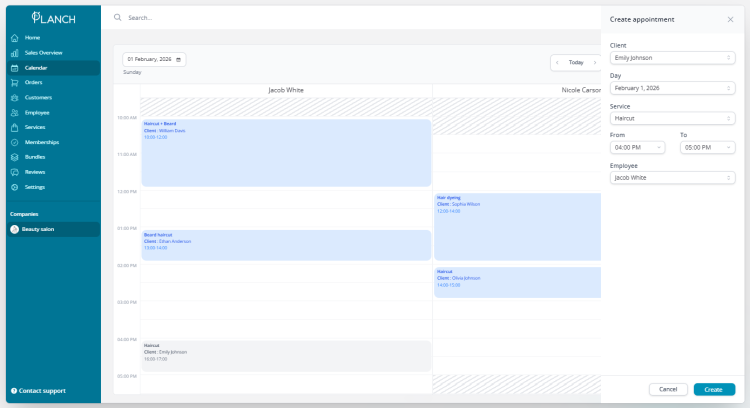
What makes it different: A service-first CRM built around bookings and repeat visits: online scheduling, calendar, clients, staff, service packages/memberships, automated reminders, and built-in analytics.
Plans: Individual / Entrepreneur / Unlimited
URL: https://planch.io/
Planch is a lightweight CRM designed specifically for service businesses where scheduling and visit consistency drive revenue. Instead of sales pipelines, it focuses on daily operations: appointments, calendars, services, client records, staff management, and prepaid packages.
Its key strength is a seamless workflow: a client books online → the system sends reminders → administrators see real-time availability → staff receive instant updates. For a “lightweight CRM” roundup, Planch is a strong example of a visual, intuitive tool built for real-world service operations rather than corporate sales processes.
2) HoneyBook
Free: Yes (trial available), then paid
Who it’s for: Creative studios, event services, photographers, designers, consultants
What makes it different: End-to-end client flow from inquiry to contract and payment
Plans: Starter / Essentials / Premium (may vary by region)
URL: https://www.honeybook.com/
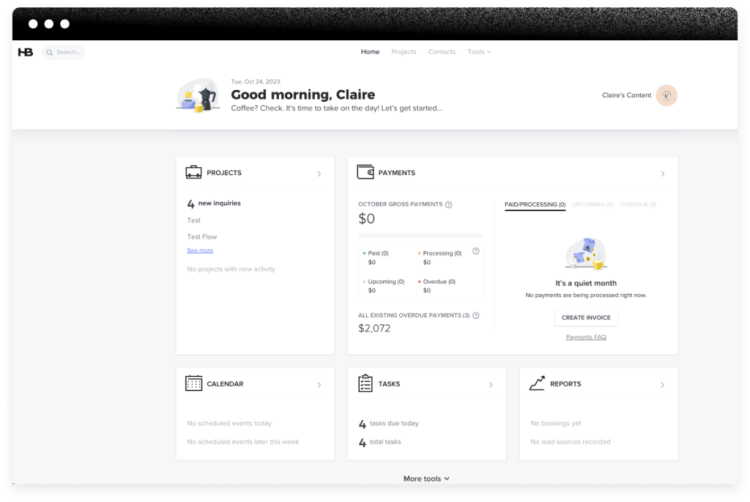
HoneyBook is less about traditional CRM and more about managing the full client journey in a service business: inquiry → communication → proposal → contract → invoice → payment. For many service providers, this fully replaces the need for a classic CRM.
It stands out for its polished, premium client experience — proposals, contracts, and invoices look clean and professional. HoneyBook is especially popular with small teams selling service packages who want structure and clarity without complex configuration.
3) Dubsado
Free: Yes (trial available), then paid
Who it’s for: Studios, agencies, freelancers, event professionals
What makes it different: Highly customizable forms, workflows, and automations for service-based processes
Plans: Starter / Premier (or similar)
URL: https://www.dubsado.com/
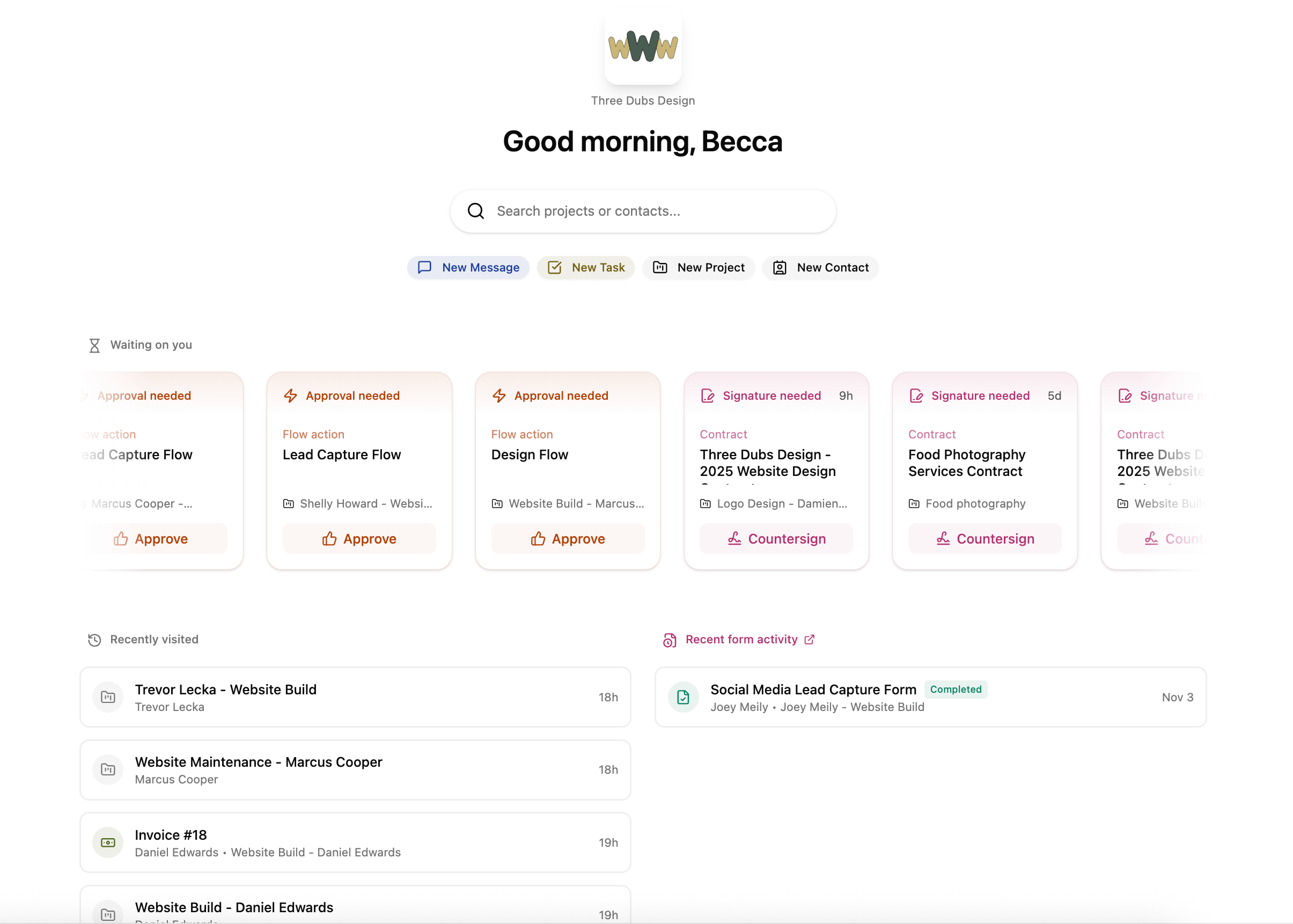
Dubsado is a lightweight client management CRM with a strong focus on workflows. It supports inquiries, detailed intake forms, email templates, project stages, contracts, and invoicing — all tailored to service delivery.
Its main advantage is flexibility: nearly every step of the client flow can be customized. This makes Dubsado a strong choice for service businesses selling projects or packages rather than one-off transactions, especially where communication and approvals are critical.
4) Bonsai
Free: Yes (trial available), then paid
Who it’s for: Freelancers, solo entrepreneurs, small studios
What makes it different: CRM + proposals + contracts + invoicing in one lightweight system
Plans: Starter / Professional / Business (or similar)
URL: https://www.hellobonsai.com/
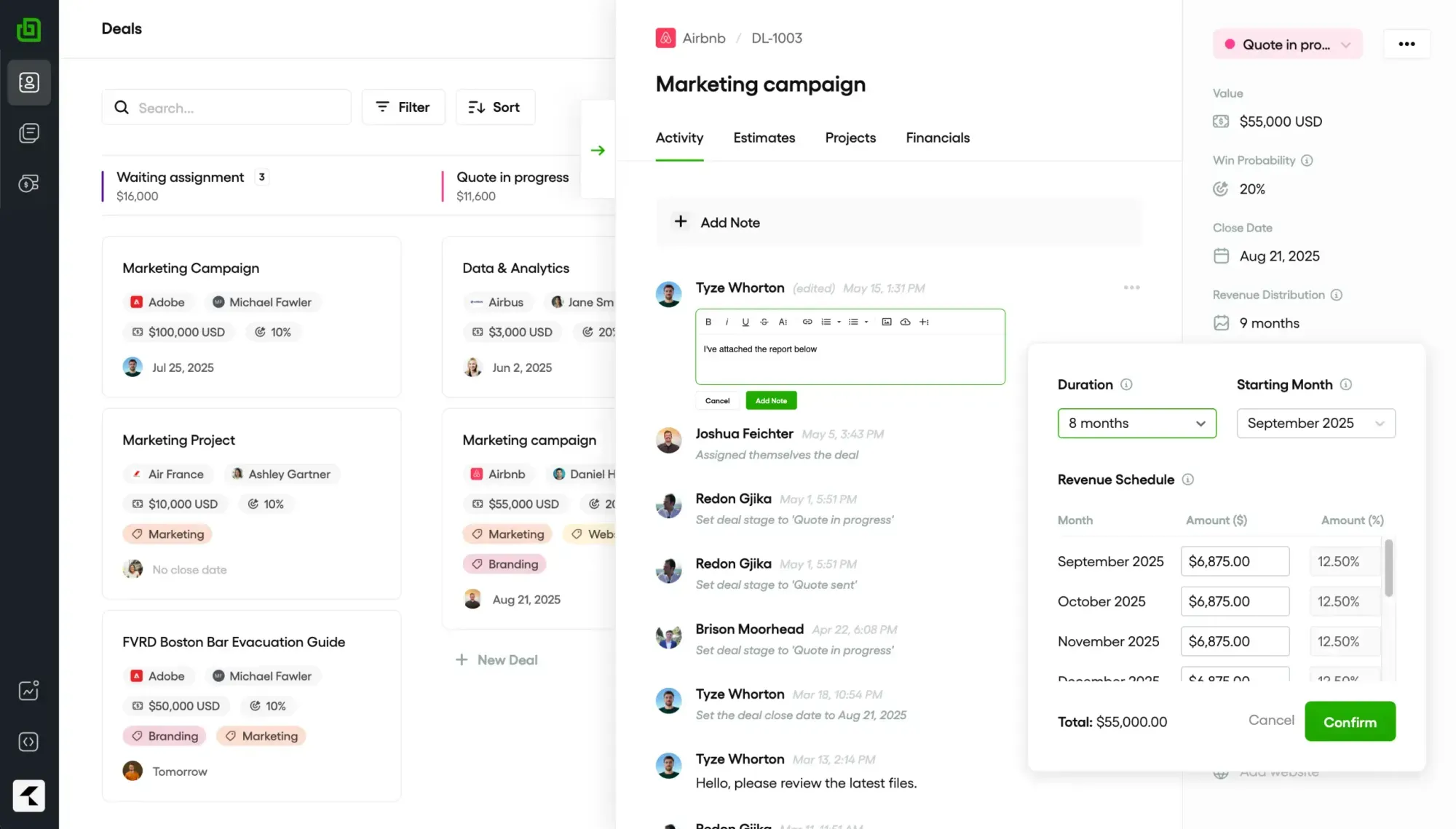
Bonsai is one of the simplest ways to manage clients if you don’t need a full sales CRM. It works as a daily command center for service providers: clients, agreements, documents, and payments in one place.
It’s designed around services and billing rather than enterprise pipelines. Bonsai is often chosen by professionals who want to get started quickly and avoid lengthy onboarding or technical setup.
5) 17hats
Free: Yes (trial available), then paid
Who it’s for: Small service businesses, studios, local service providers
What makes it different: Step-by-step automation for repeatable client processes
Plans: Single or multiple plans (market-dependent)
URL: https://www.17hats.com/
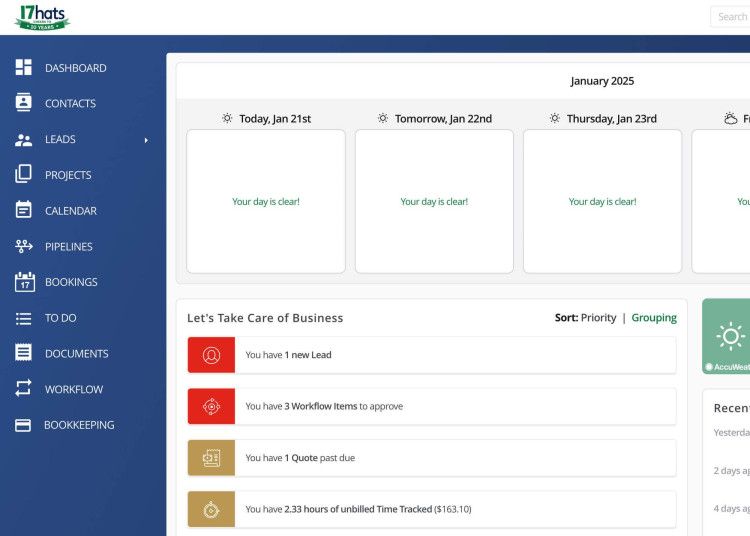
17hats helps service businesses create predictable, repeatable workflows. It uses templates, checklists, and automated reminders to ensure no step is missed — even when client volume is high.
Its strength lies in operational discipline: the CRM doesn’t just store contacts, it actively guides the service process. This makes it ideal for teams looking to standardize service delivery without launching a complex CRM implementation.
6) Jobber
Free: Yes (trial available), then paid
Who it’s for: Field service businesses (cleaning, repairs, installation, landscaping, maintenance)
What makes it different: CRM + scheduling + work orders + invoicing built specifically for field service operations
Plans: Core / Connect / Grow (or similar)
URL: https://getjobber.com/
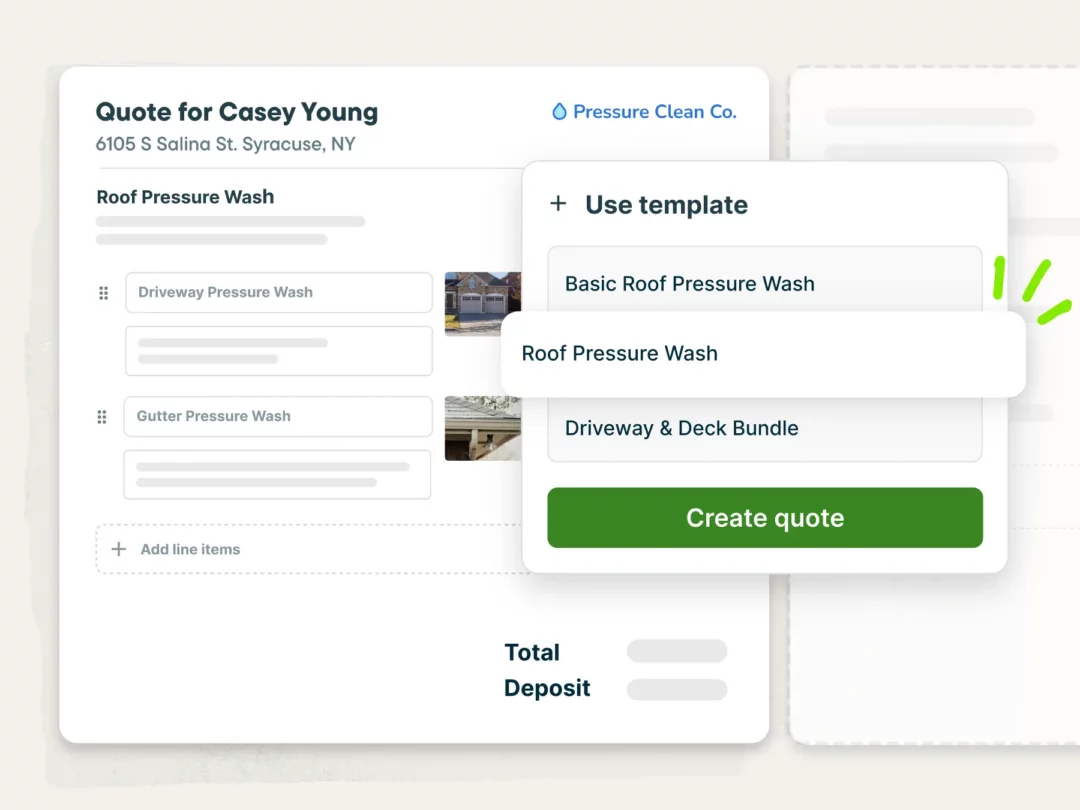
Jobber is best described as a “CRM for service calls.” Requests turn into jobs, jobs turn into invoices, and everything lives in a shared calendar with routes and schedules. For many service businesses, this is far more effective than a classic sales pipeline.
Its main advantage is job-based thinking instead of deal-based CRM logic. Jobber is widely used by teams where schedules change frequently, last-minute updates are common, and fast invoicing is critical to cash flow.
7) Housecall Pro
Free: Yes (trial available), then paid
Who it’s for: Home service businesses (HVAC, plumbing, electrical, repairs)
What makes it different: Communication, scheduling, and payments designed for local service teams
Plans: Basic / Essentials / Max (or similar)
URL: https://www.housecallpro.com/
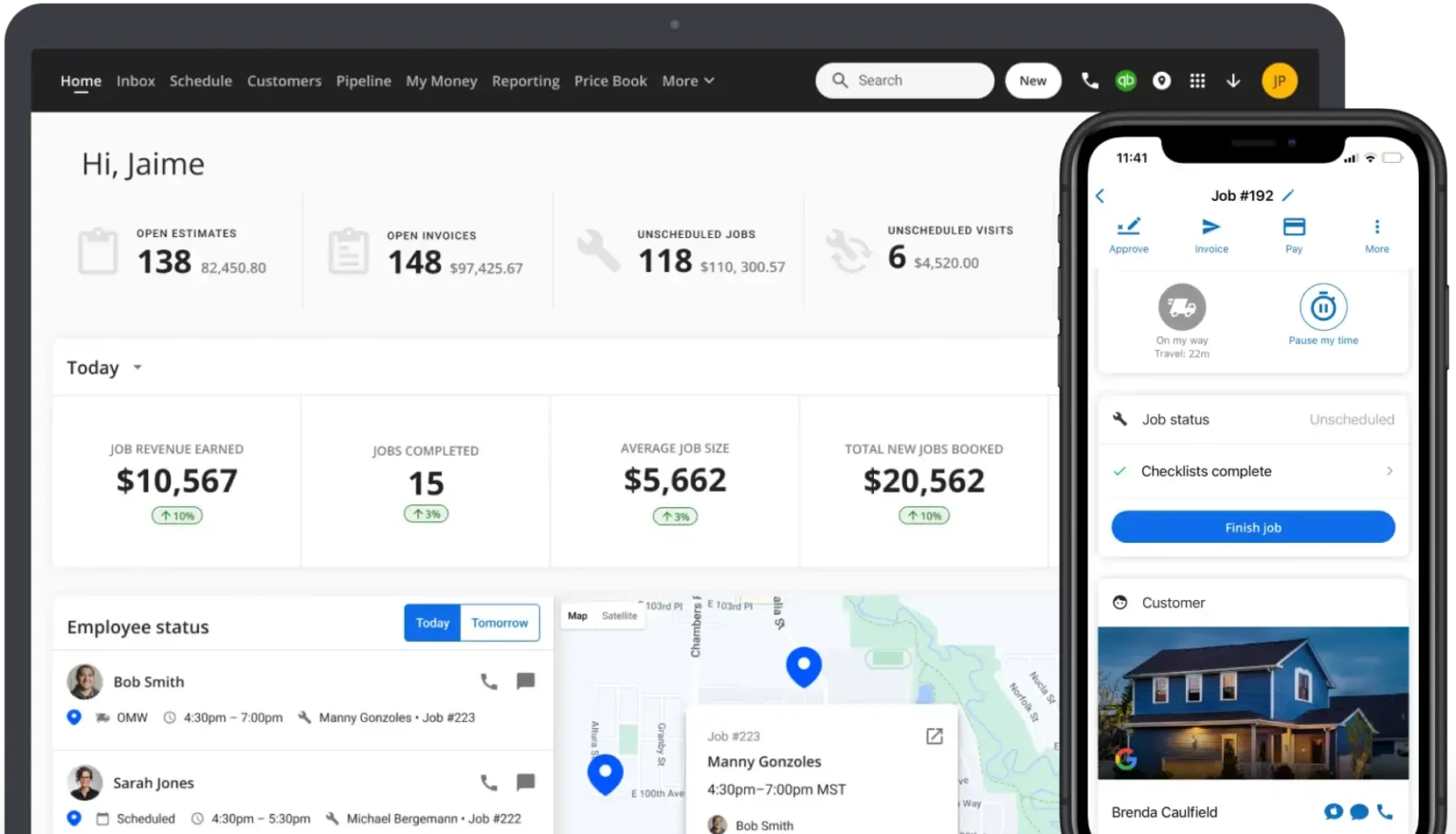
Housecall Pro is a lightweight operations platform where CRM is part of managing jobs, statuses, and payments. It often replaces the typical mix of spreadsheets, phone calls, and messaging apps.
It stands out for its fast setup and service-first approach: fewer configurations, more focus on getting jobs done on schedule. Most commonly used by local service companies with mobile teams.
8) ServiceM8
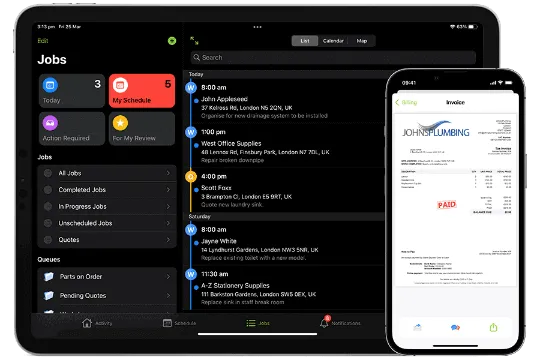
Free: Yes (trial available), then paid
Who it’s for: Field service professionals (technicians, engineers, on-site service teams)
What makes it different: Field service management with core CRM features (clients, jobs, calendar)
Plans: Lite / Starter / Growing / Premium (or similar)
URL: https://www.servicem8.com/
ServiceM8 is ideal when you don’t need a CRM pipeline, but full control over field work: who goes where, when, what they do, and how the job is billed. For many service businesses, this becomes the central “CRM hub.”
Its strength lies in mobile usability and simplicity for technicians in the field. It’s especially popular with small crews and service teams where everything revolves around the job calendar.
9) Thryv
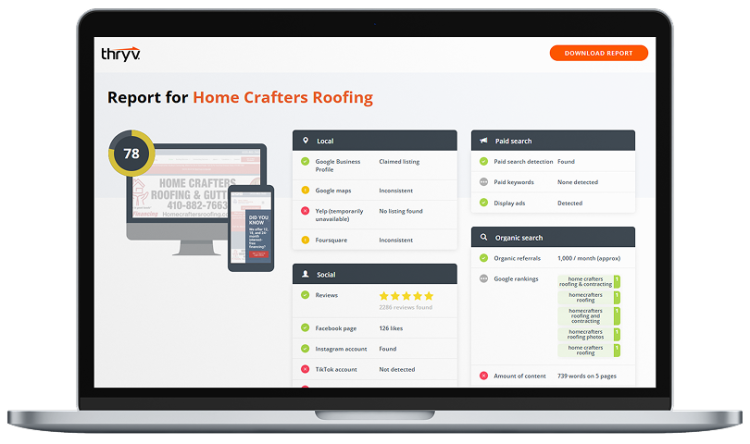
Free: Yes (demo or trial), then paid
Who it’s for: Local service businesses (salons, clinics, repairs, wellness providers)
What makes it different: CRM + online booking + payments in one platform
Plans: Multiple tiers (market-dependent)
URL: https://www.thryv.com/
Thryv is a lightweight all-in-one solution for service SMBs, combining a client database, interaction history, scheduling, and payments. It’s well suited for businesses that don’t want to manage multiple disconnected tools.
Its main appeal is covering core service needs: bookings, reminders, payments, and communication. Thryv is most often chosen by local businesses with recurring client visits.
10) vcita
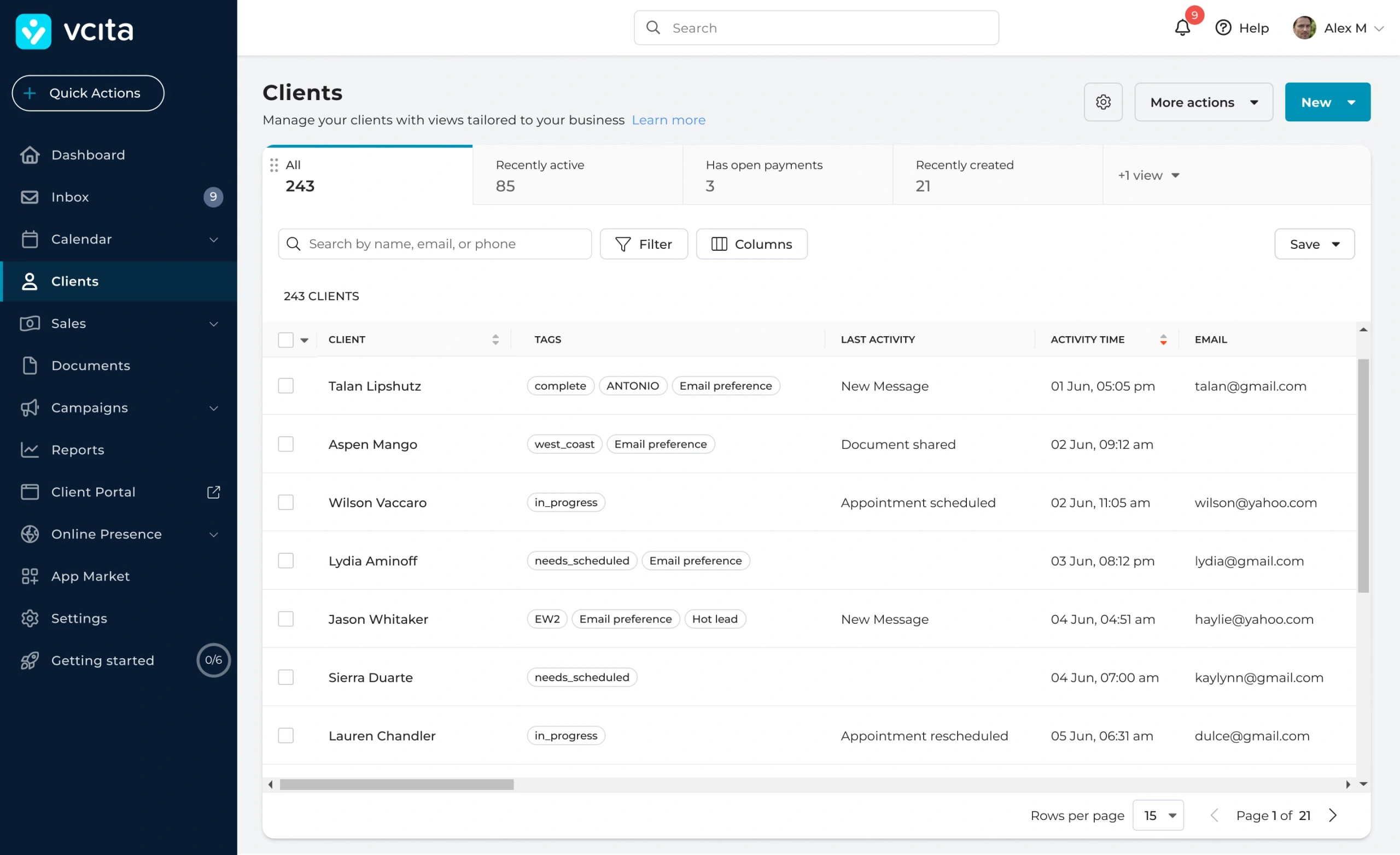
Free: Yes (trial available), then paid
Who it’s for: Small service businesses, consultants, local providers
What makes it different: Client portal + booking + invoicing + basic CRM
Plans: Multiple tiers (country-dependent)
URL: https://www.vcita.com/
vcita is a lightweight service operations CRM where clients can book appointments, receive messages, and make payments, while businesses manage history, tasks, and follow-ups.
Its key differentiator is the built-in client portal, combining CRM functionality with a self-service experience. Commonly used by small offices, independent professionals, and local service providers.
11) Fresha
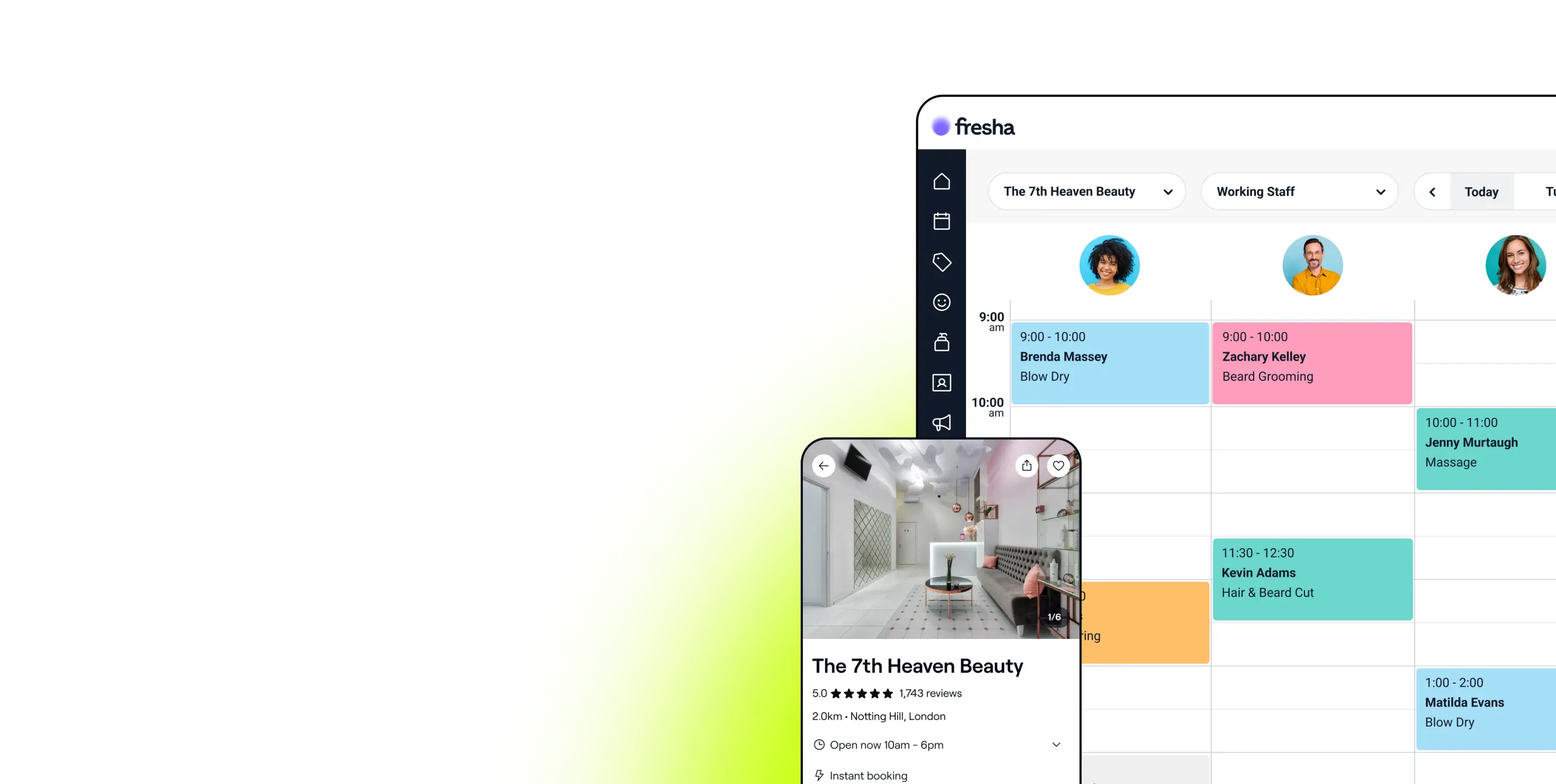
Free: Free to start (monetization may include commissions or paid add-ons)
Who it’s for: Beauty industry businesses (salons, barbershops, spas)
What makes it different: Booking, client management, and marketing tools tailored for beauty services
Plans: Market- and model-dependent
URL: https://www.fresha.com/
Fresha functions as a lightweight CRM specifically for salons: client records, appointments, repeat visits, and service history. For many beauty businesses, this fully replaces a traditional CRM.
Its strength is industry focus — beauty-specific workflows, staff scheduling, promotions, and client retention tools. Most often chosen by businesses that want fast online booking with minimal setup.
12) Square Appointments
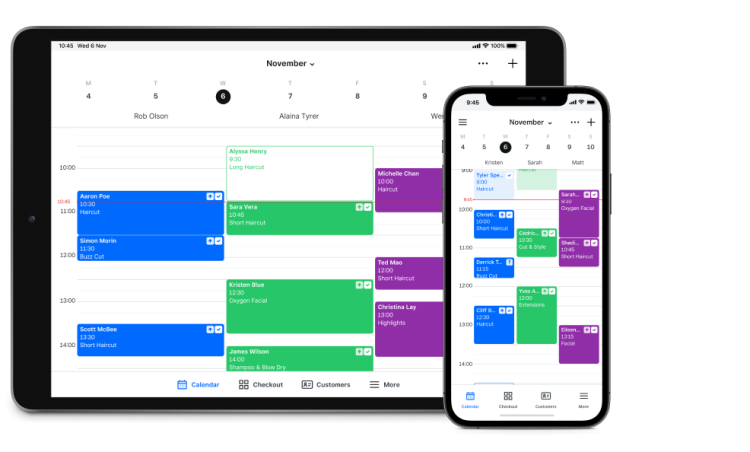
Free: Free plan available; paid plans for teams and advanced features
Who it’s for: Appointment-based services using Square for payments
What makes it different: Scheduling, payments, and client records tightly integrated with Square
Plans: Free / Plus / Premium
URL: https://squareup.com/us/en/appointments
Square Appointments provides a lightweight CRM layer around booking and payments: client profiles, visit history, notes, calendar, and transactions — all in one place.
It’s not designed as an enterprise CRM, but as a practical tool for service transactions and repeat visits. Especially useful for small studios and businesses already using Square POS and payments.
13) SimplyBook.me
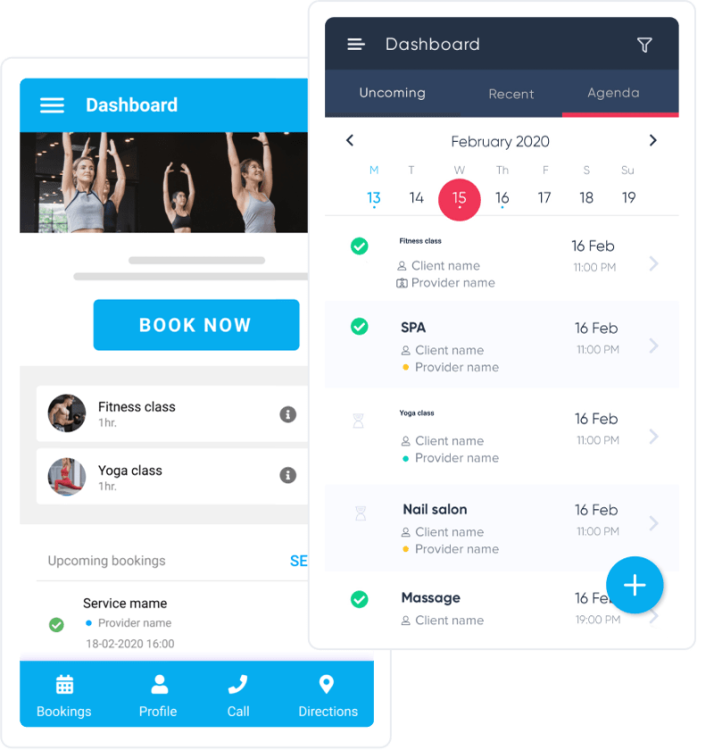
Free: Free plan with limitations; paid plans available
Who it’s for: Appointment-based services (beauty, wellness, education, consulting)
What makes it different: Booking-centric CRM with modular add-ons
Plans: Free / Basic / Standard / Premium (or similar)
URL: https://simplybook.me/
SimplyBook.me is a lightweight CRM built around scheduling. It tracks clients, reminders, service reasons, and repeat bookings — ideal when the calendar is the core of your business.
Its modular approach allows businesses to add only the features they need, avoiding unnecessary complexity. Often chosen by teams looking for fast online booking with basic client management.
14) Setmore
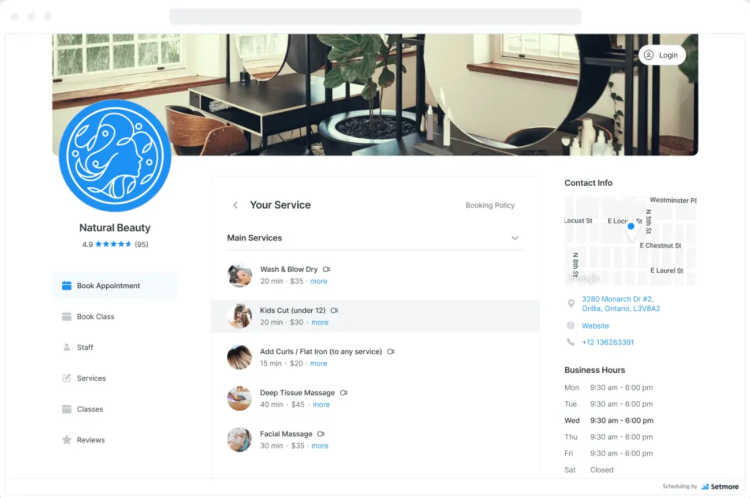
Free: Free plan available; paid upgrades
Who it’s for: Small service businesses with appointment scheduling
What makes it different: Simple scheduling, client management, and reminders
Plans: Free / Pro / Team (or similar)
URL: https://www.setmore.com/
Setmore is a straightforward way to launch online booking and manage clients without adopting a full CRM system. For many small service businesses, this is more than enough.
Its biggest advantage is simplicity — no learning curve, immediate results. Commonly used by solo professionals, small studios, and private service providers.
15) Acuity Scheduling (by Squarespace)
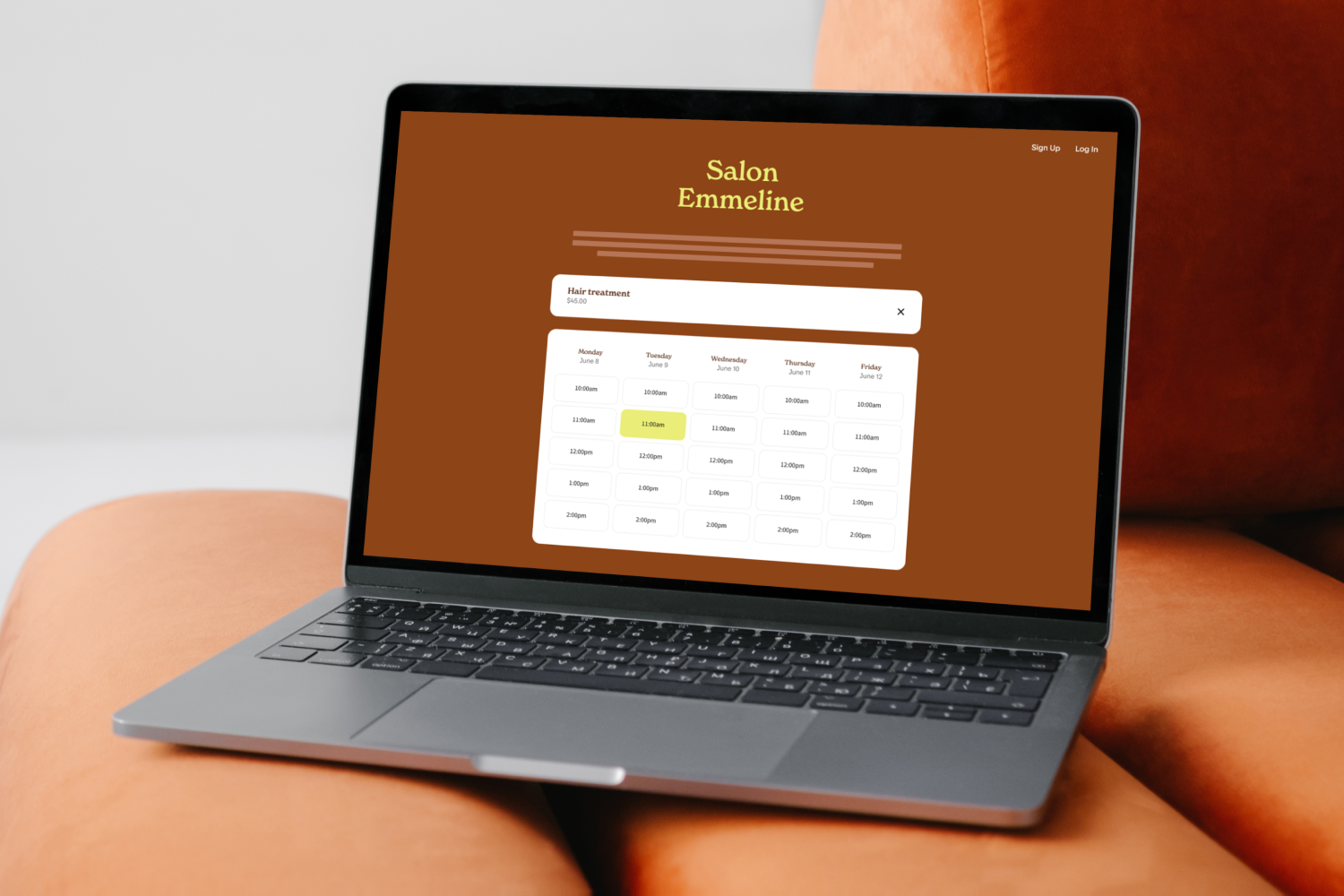
Free: No (trial or paid only)
Who it’s for: Consultants, coaches, studios, slot-based services
What makes it different: Advanced scheduling with client forms and pre-session data
Plans: Multiple tiers (Emerging / Growing / Powerhouse or similar)
URL: https://acuityscheduling.com/
Acuity Scheduling acts as a lightweight CRM extension built around appointments. Clients book, complete intake forms, receive reminders, and you get full context before each meeting.
Its strongest feature is the “before the meeting” workflow — questionnaires, policies, and paid slots. Most often used by consultants and experts where each time slot has a clear monetary value.
16) Calendly (as client flow + routing)
Free: Free plan available; paid upgrades
Who it’s for: B2B service providers, agencies, teams selling via calls
What makes it different: Scheduling + meeting routing + integrations (CRM, email, video)
Plans: Free / Standard / Teams / Enterprise
URL: https://calendly.com/
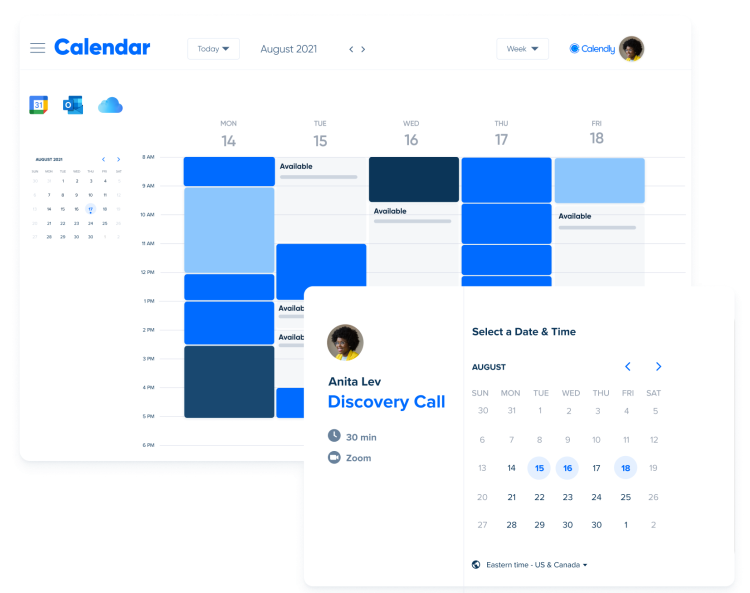
Calendly isn’t a CRM by itself, but for service businesses it often acts as the first step of the funnel: booking → qualification → meeting. From there, data can flow into a CRM, a spreadsheet, or a project management tool.
Its key advantage is infrastructure-level flexibility: it’s easy to embed everywhere (website, emails, ads, landing pages). Most commonly used by B2B service teams selling expert time and consultations.
17) Capsule CRM
Free: Free plan with limits; paid plans available
Who it’s for: Consultants, service firms, freelancers
What makes it different: A minimalist “classic CRM” without the noise
Plans: Free / Starter / Growth / Advanced
URL: https://capsulecrm.com/
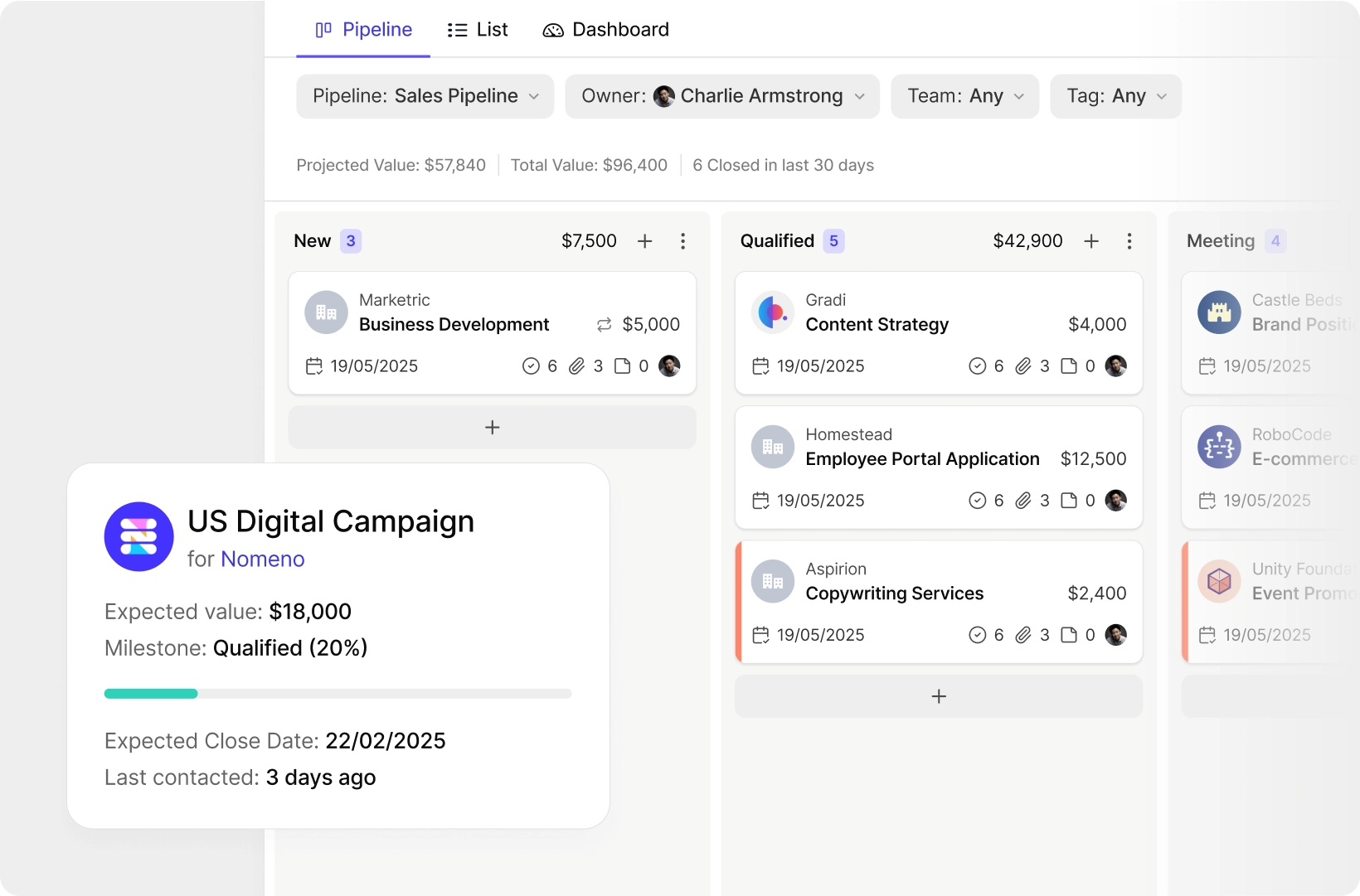
Capsule is a lightweight CRM for teams who mainly need contacts, tasks, notes, interaction history, and a simple pipeline. For service businesses, it often becomes the perfect “order layer” — nothing fancy, just clarity.
It stands out with fast onboarding and clean UX, which makes adoption realistic: teams actually use it instead of setting it up and forgetting it. Most common among small B2B services, agencies, and private practices.
18) Less Annoying CRM
Free: Trial available; simple flat pricing after
Who it’s for: Small service companies, local businesses
What makes it different: Radically simple CRM with only essentials
Plans: Single main plan
URL: https://www.lessannoyingcrm.com/
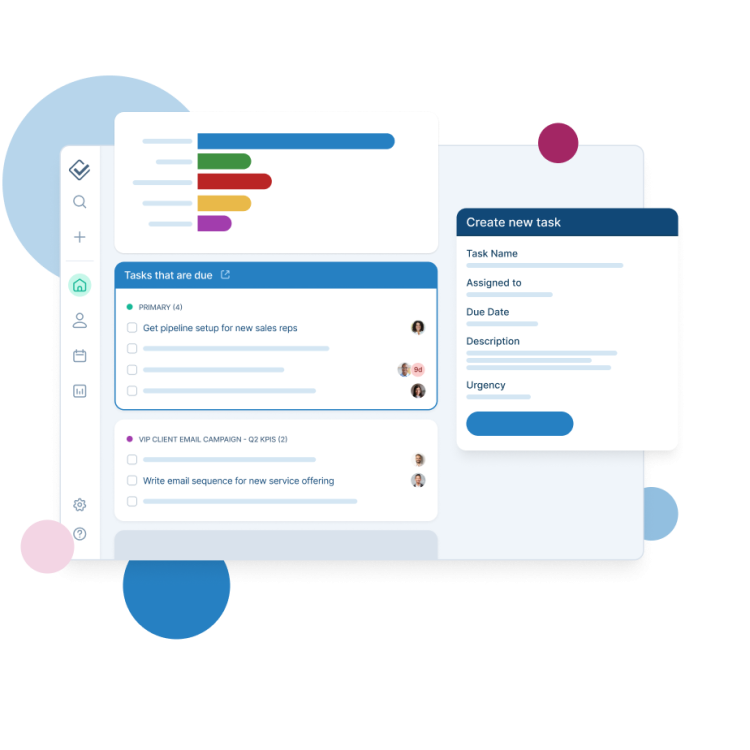
Less Annoying CRM is the go-to when you want minimal features but maximum usefulness: contacts, tasks, reminders, and notes. It doesn’t try to be a platform — it simply works.
Its core differentiators are transparency and a low learning curve. Most often chosen by owners and small teams who don’t want to spend time on setup or CRM “administration.”
19) OnePageCRM
Free: No free plan; trial available; subscription per user
Who it’s for: Small service businesses, freelancers, agencies
What makes it different: “Next action” focus and action-driven client lists
Plans: Multiple tiers (plan-dependent)
URL: https://www.onepagecrm.com/
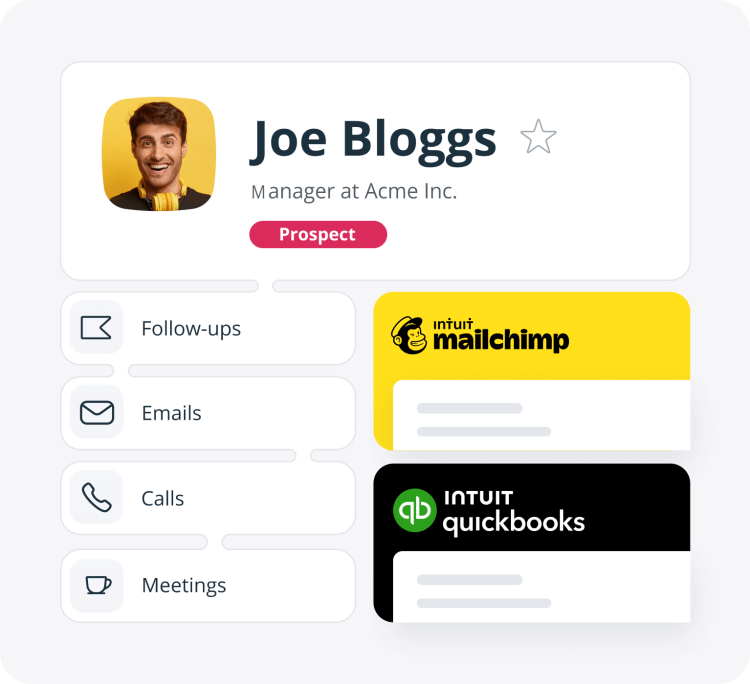
OnePageCRM is a sales organizer for service businesses: less of a database, more of an action system. It’s especially useful when consistent follow-up is the biggest driver of revenue.
Its defining feature is discipline: every contact is meant to have a clear next step. Commonly used by founders and managers who want momentum without complexity.
20) Pipedrive
Free: Trial available
Who it’s for: Sales teams in service businesses, B2B agencies
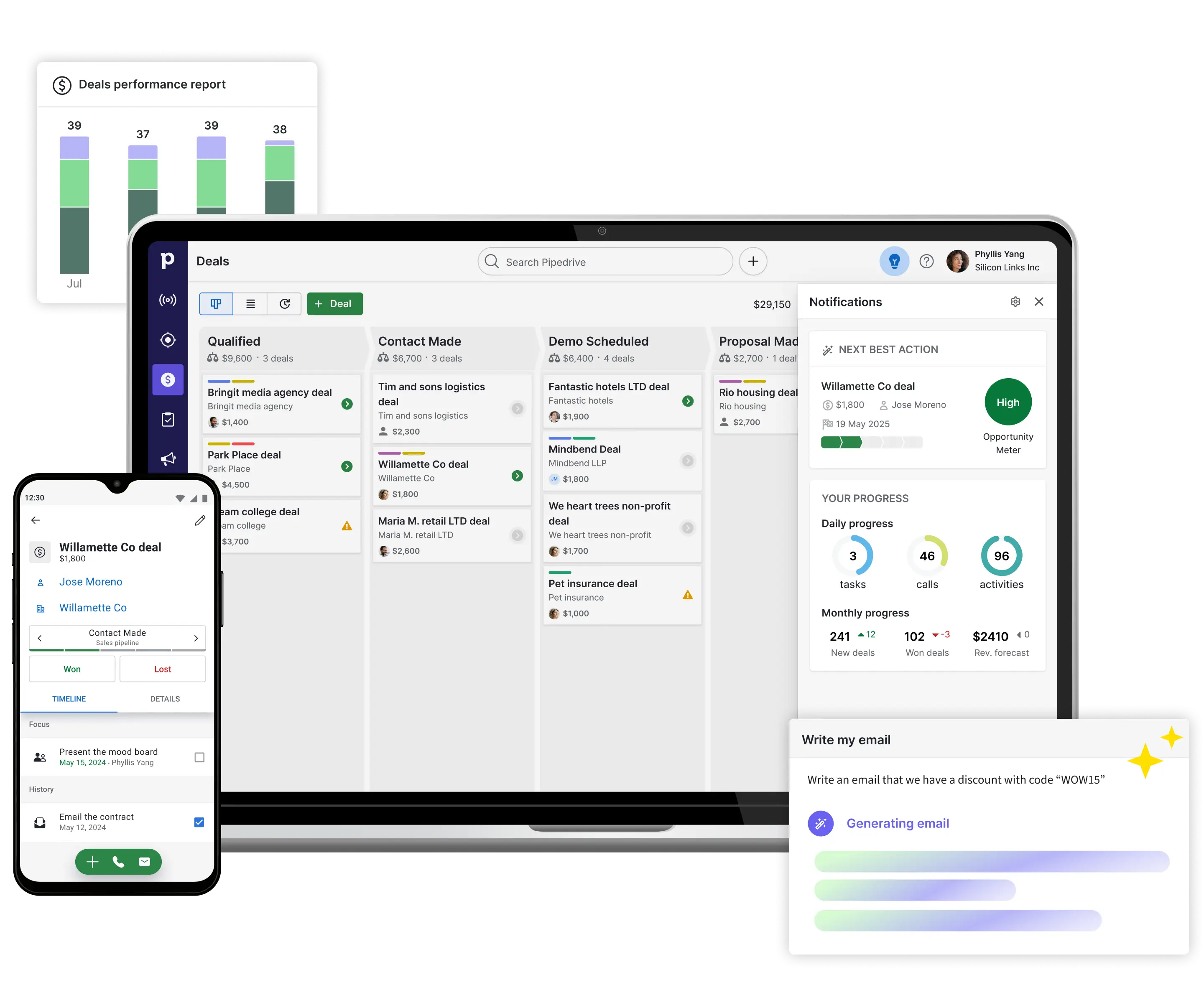
What makes it different: Very visual pipeline (drag-and-drop) + activities and forecasting
Plans: Essential / Advanced / Professional / Power / Enterprise (may vary by country)
URL: https://www.pipedrive.com/
Pipedrive is one of the most user-friendly “lightweight” CRMs for pipeline management: deals, stages, tasks, and visibility. For service businesses, it’s a strong fit when sales are repeatable and leadership needs a clear view of status.
Its biggest advantage is usability — many sales teams genuinely enjoy working in it because it’s fast and intuitive. Often chosen by founders, sales leads, and growth-focused teams.
21) Freshsales
Free: Free entry plan available; paid plans available
Who it’s for: Service businesses that want CRM + communications
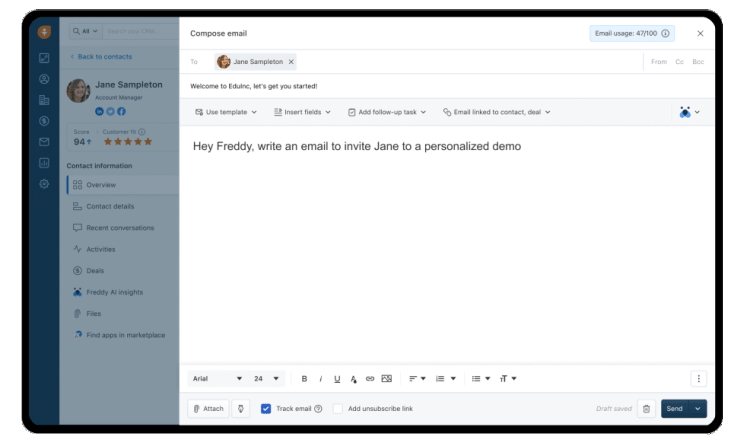
What makes it different: CRM with omnichannel elements (email/calls/chat depending on plan)
Plans: Free / Growth / Pro / Enterprise
URL: https://www.freshworks.com/crm/
Freshsales is a good match when a service business handles high inquiry volume and wants communications close to the CRM. It’s a “lightweight start” that can grow into deeper automation over time.
It stands out for balancing simplicity with capability — less overwhelming than heavy CRMs, but more powerful than ultra-minimal tools. Commonly used by SMB sales/support teams.
22) Streak CRM (for Gmail)
Free: Free tier available; paid upgrades
Who it’s for: Teams working inside Gmail (agencies, freelancers, recruiting)
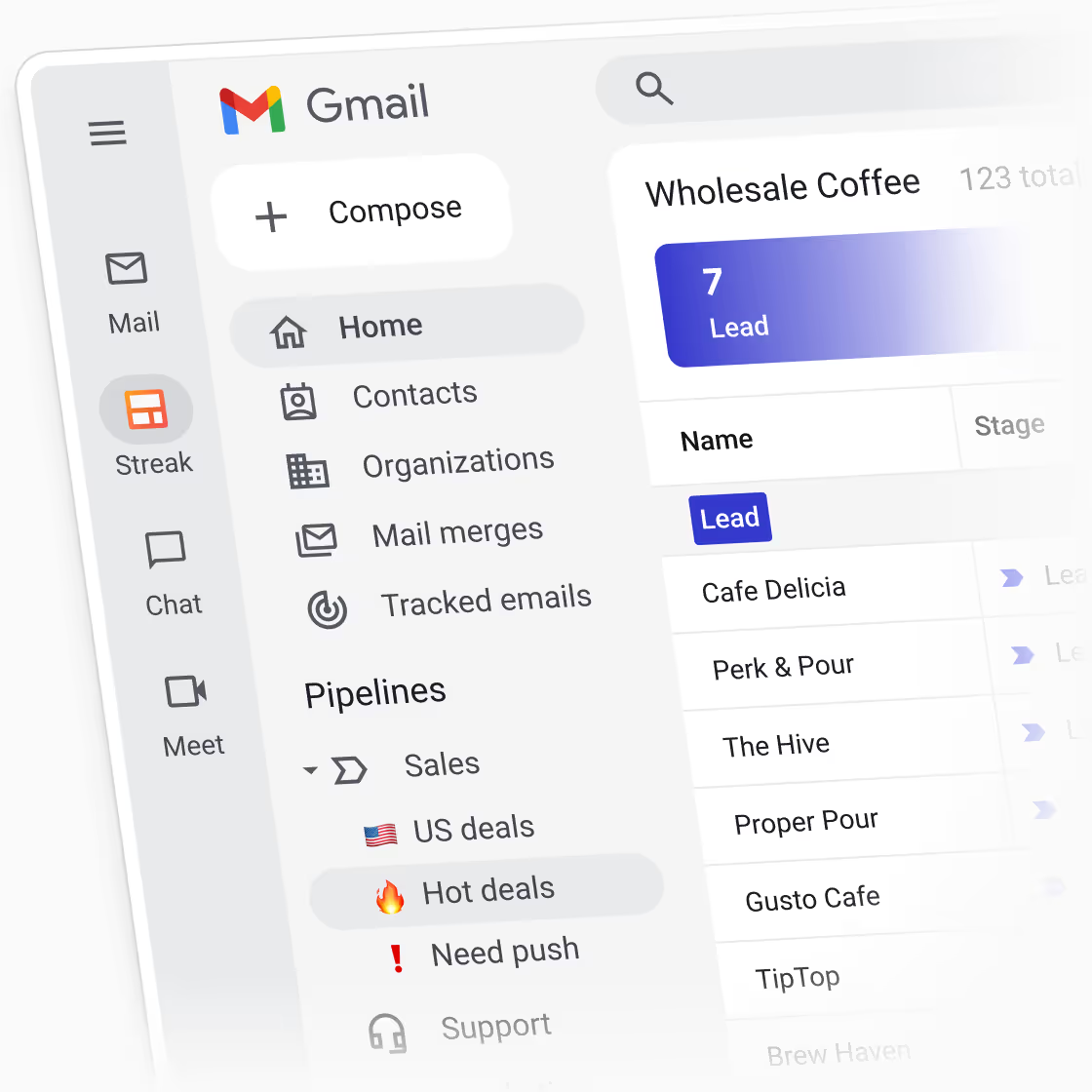
What makes it different: CRM inside Gmail (pipelines + tracking + notes)
Plans: Free / Solo / Pro / Enterprise (may vary)
URL: https://www.streak.com/
Streak is one of the easiest ways to adopt CRM discipline if your team “lives in email.” You get pipelines and records without switching to a separate CRM environment.
Its main advantage is zero context switching: the email thread becomes the CRM history. Most commonly used by small teams where email is the primary channel for sales and service.
23) Folk
Free: Often free/trial (terms may vary), then paid
Who it’s for: Agencies, partnerships/BD teams, consulting services
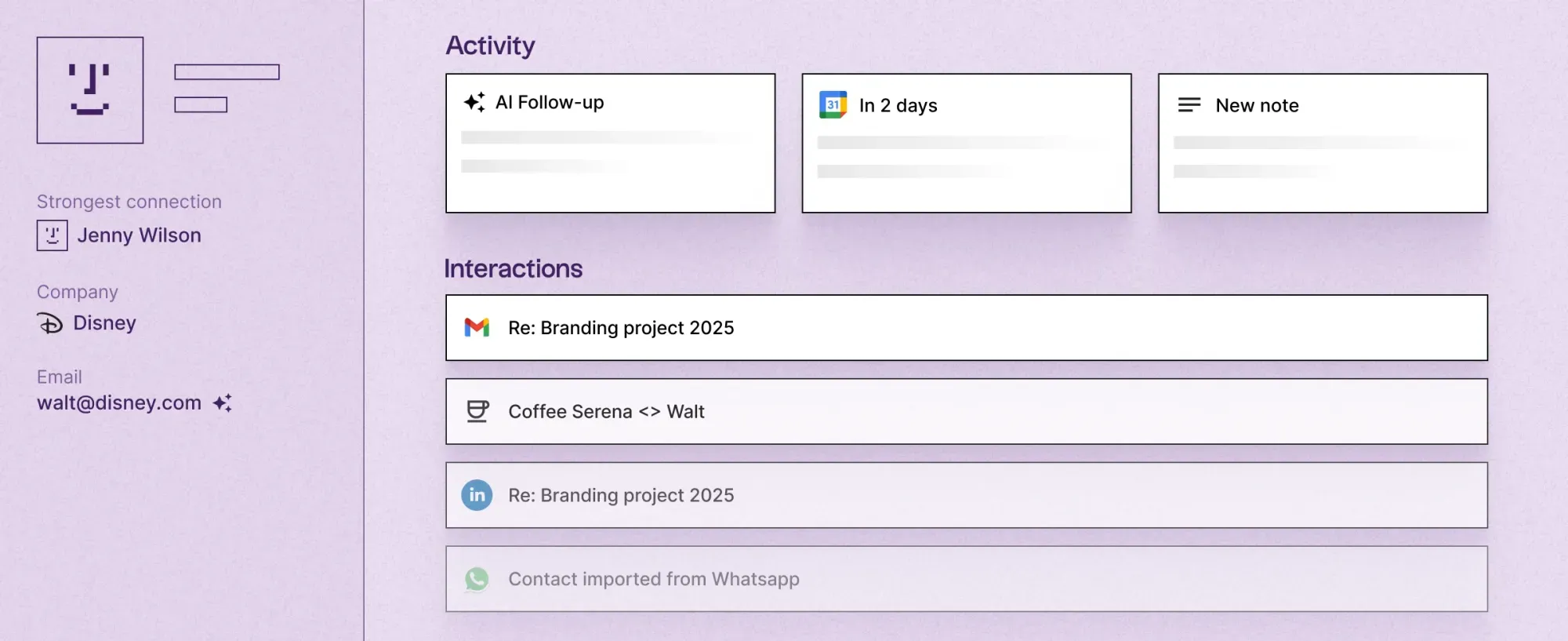
What makes it different: Relationship CRM with a modern, lightweight UI
Plans: Multiple tiers (Starter/Standard/Premium or similar)
URL: https://www.folk.app/
Folk is a relationship-first CRM: contact context, intros, partnerships, repeat opportunities. For service businesses that grow through referrals and networks, it’s a highly practical choice.
Its differentiator is simplicity + aesthetics — it feels like a modern tool instead of a corporate system. Often used by founders, BD/partnership teams, and boutique agencies.
24) Nimble
Free: Trial available
Who it’s for: Service businesses that sell through networking and social presence
What makes it different: Social/relationship context around contacts
Plans: Often one main plan (may vary)
URL: https://www.nimble.com/
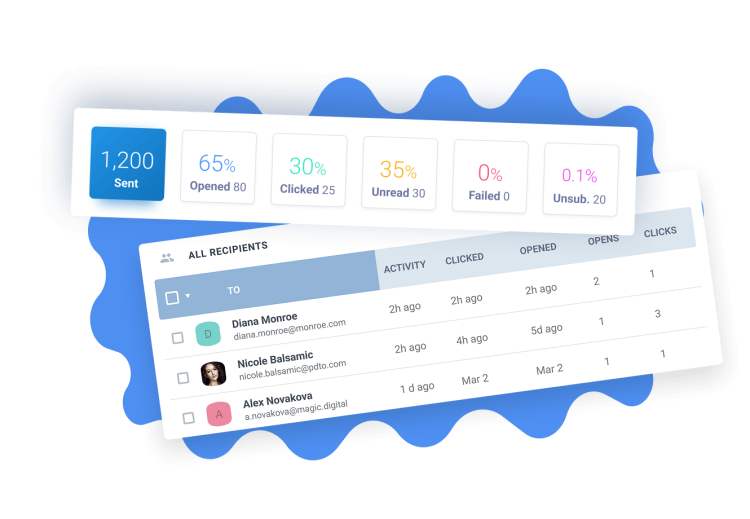
Nimble is a strong fit if your service sales depend on relationships and you want richer contact context. Think of it as a “smart contact hub” with CRM capabilities.
It emphasizes interactions and relationship history rather than complex deal mechanics. Most commonly used by consultants, agencies, and solo operators.
25) Salesflare
Free: Trial available
Who it’s for: Small B2B service teams, startups
What makes it different: Automatically collects interaction data from email and calendar
Plans: Growth / Pro / Enterprise
URL: https://salesflare.com/
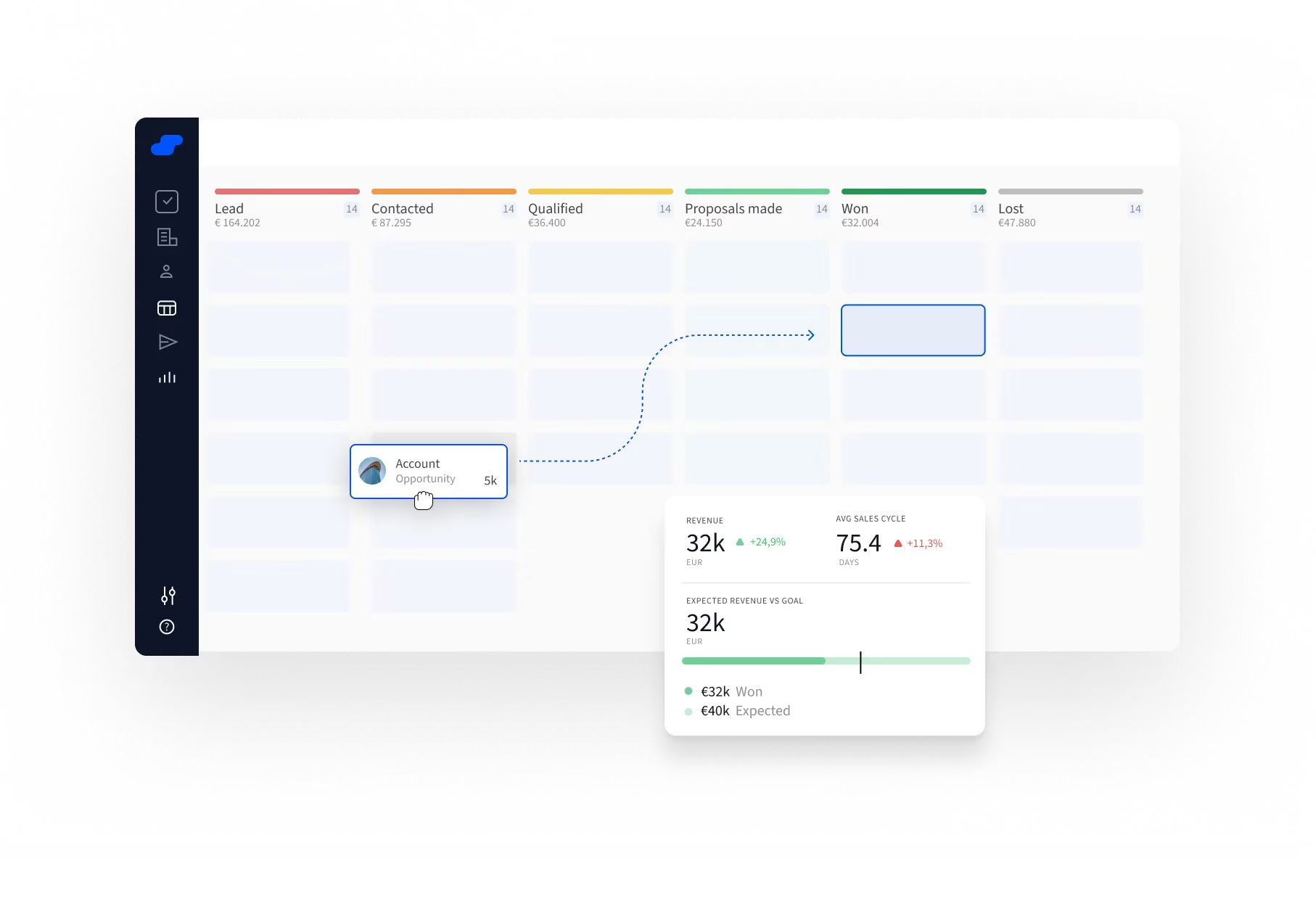
Salesflare aims to remove manual CRM work. It pulls in interactions and helps keep the pipeline updated with less friction, which often improves adoption.
Its differentiator is automation of CRM data entry. Most often used by B2B service teams selling via email and meetings who want order without bureaucracy.
26) Close
Free: Trial available
Who it’s for: Inside sales teams; service orgs with high call volume
What makes it different: Strong sales execution (calling, email, activities)
Plans: Startup / Professional / Enterprise
URL: https://www.close.com/
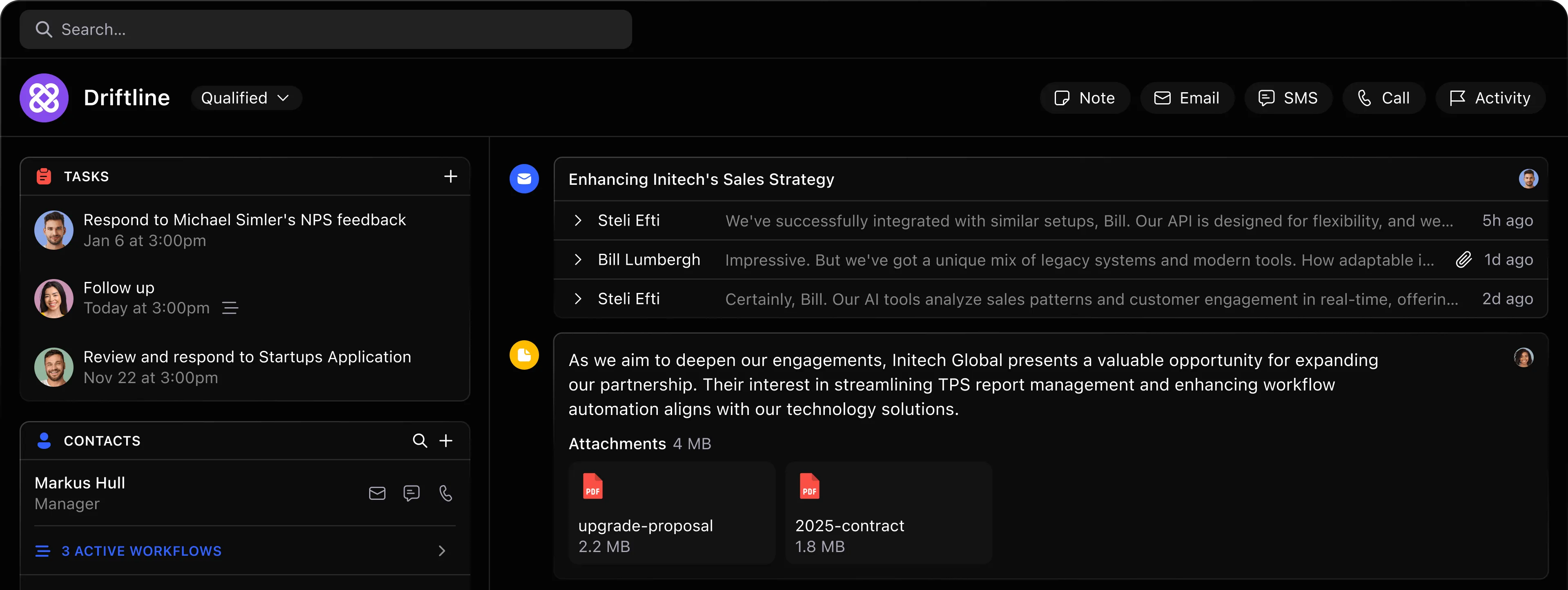
Close is a CRM built for speed: calls, follow-ups, activity tracking, and team discipline. For service businesses, it fits well when sales are high-frequency and communication-heavy.
It’s focused on execution over administration: fewer “database vibes,” more real actions. Commonly used by SDRs, sales managers, and fast-paced teams.
27) Keap (ex-Infusionsoft)
Free: Trial available
Who it’s for: Small service businesses with strong email marketing and repeat clients
What makes it different: CRM + powerful marketing automation for retention and upsells
Plans: Pro / Max (and variations)
URL: https://keap.com/
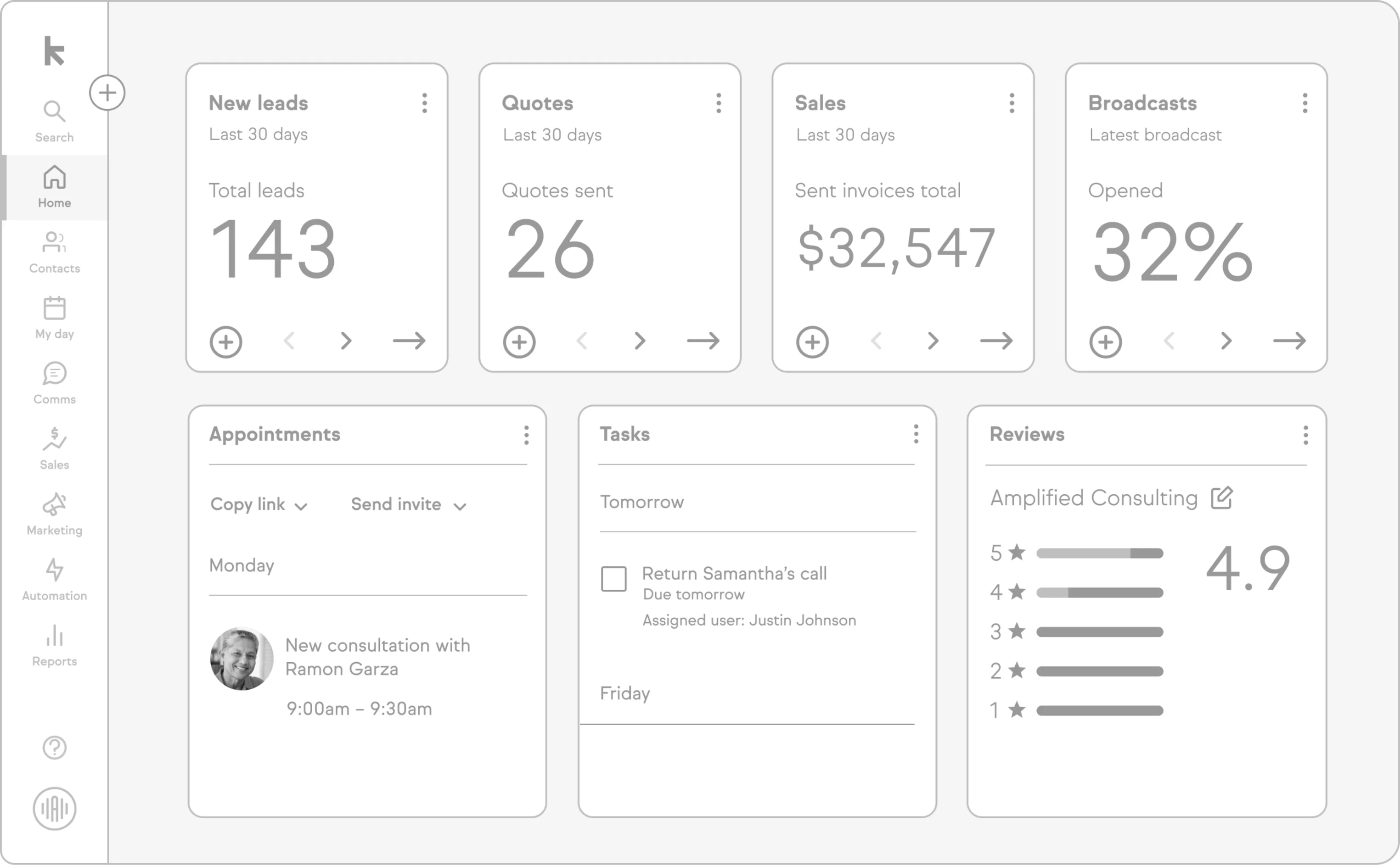
Keap is a strong choice when a service business depends on repeat customers and wants automated reminders, nurturing, and upsell flows. It’s not “minimal,” but it’s still SMB-friendly.
Its biggest strength is ready-to-run automation scenarios. Often used by coaches, consultants, marketing services, and online-first service providers.
28) ActiveCampaign (CRM + automations)
Free: Usually trial-based
Who it’s for: Agencies and service businesses with an email-first growth strategy
What makes it different: Deep communication automation + a simple pipeline layer
Plans: Lite / Plus / Professional / Enterprise
URL: https://www.activecampaign.com/
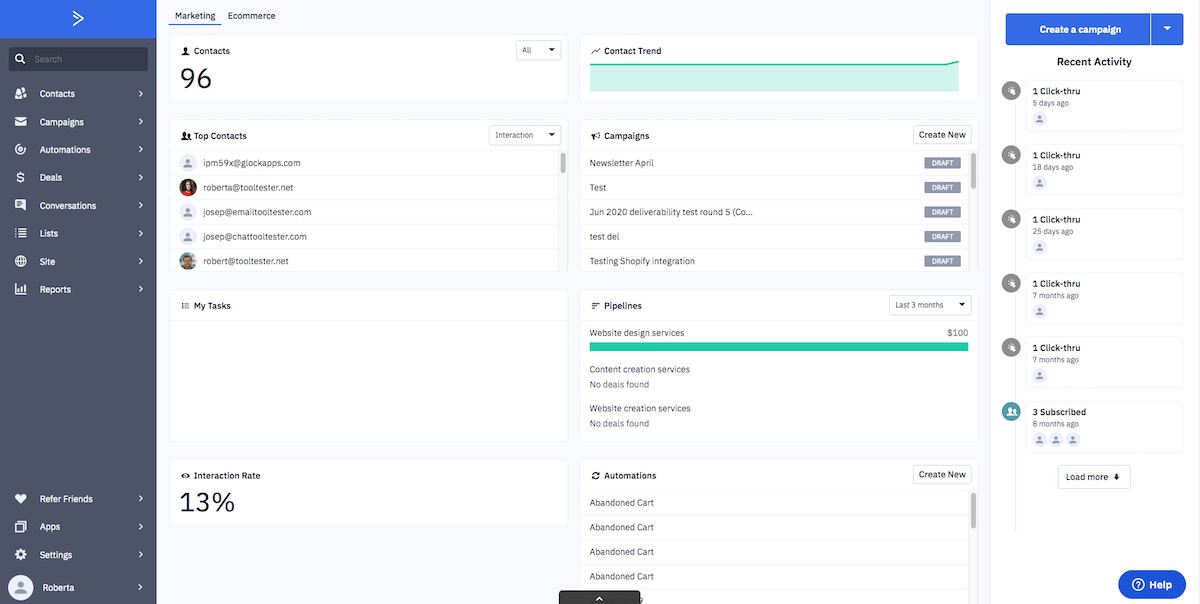
ActiveCampaign is often used as the “marketing brain” with a basic CRM component. If your service business sells through email sequences, segmentation, and retention campaigns, it’s a natural fit.
Its standout feature is automation depth and scenario flexibility. Commonly chosen by teams wanting less manual follow-up and more systematic nurturing.
29) EngageBay
Free: Free plan with limits; paid plans available
Who it’s for: Small service businesses wanting CRM + email in one tool
What makes it different: Affordable all-in-one platform with simple automations
Plans: Free / Basic / Growth / Pro
URL: https://www.engagebay.com/
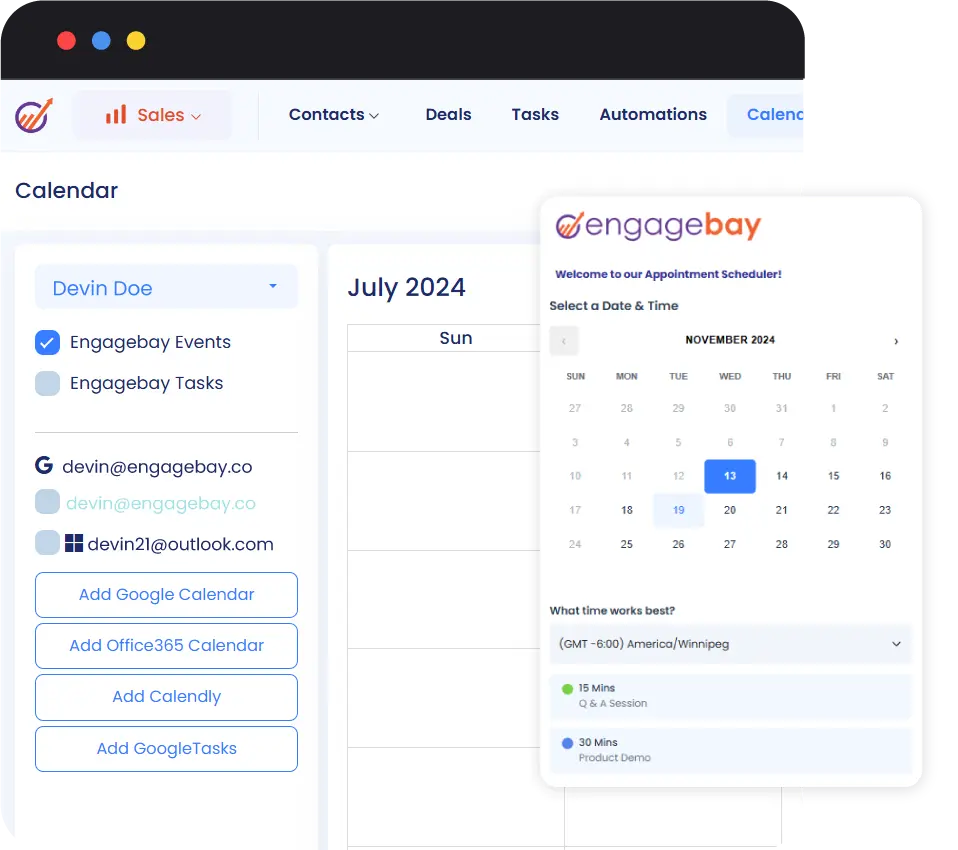
EngageBay is a lightweight alternative to more expensive platforms when you need CRM, basic marketing, and some service-friendly features in one place.
It’s best known for price-to-feature value and a simple start. Often used by small teams who prefer one system over a stack of separate tools.
30) Really Simple Systems CRM
Free: Free basic plan available; paid upgrades
Who it’s for: Small service companies wanting a straightforward “classic CRM”
What makes it different: Very simple interface with SMB focus
Plans: Free / Starter / Professional / Enterprise
URL: https://www.reallysimplesystems.com/
Really Simple Systems is exactly what it sounds like: contacts, deals, tasks, and basic reporting — without the drama. For service businesses, it’s a solid pick when you want client order plus a light pipeline.
Its advantage is clarity and easy team adoption. Most commonly used by small B2B service providers and local companies.
Conclusion:
In 2026, service businesses don’t need complex enterprise CRM systems. For most teams, a lightweight CRM that combines clients, scheduling, calendars, communication, and payments in one place is more than enough.
The right service CRM:
reduces chaos in bookings and client data
helps retain repeat visits and revenue
can be implemented quickly without a technical team
The best CRM is not the most feature-rich one, but the one your team actually uses every day. That’s why lightweight CRM solutions remain the smartest choice for service businesses in 2026.
February 1, 2026
Get Started with Your Free Trial Now!
Experience all the benefits firsthand with no commitment. Unlock seamless management, increased client satisfaction, and streamlined operations today. Start your journey with us and see how our tools can transform your business!
Articles you may find interesting

April 10, 2026