Charge What You’re Worth: The Smart Way to Increase Prices in a Service Business

For many service business owners, raising prices feels more dangerous than overworking, staying available 24/7, or absorbing rising costs year after year. Salon owners, barbershops, wellness studios, fitness businesses, agencies, consultants, and other appointment-based companies often delay price increases because they fear losing loyal clients.
But in 2026, the market has changed.
Consumers today already expect prices to rise across nearly every industry. What matters more is whether the experience still feels valuable, convenient, and professional.
According to Deloitte Consumer Signals 2026, consumers increasingly prioritize convenience, personalization, and overall service quality when deciding where to spend their money. The report also highlights that customers remain willing to pay more for businesses that consistently deliver a seamless experience.
That shift is especially important for service businesses.
Clients are no longer comparing your prices only to competitors nearby. They compare your entire experience to every smooth digital interaction they encounter elsewhere — from online shopping to food delivery apps and subscription services.
The businesses growing fastest in 2026 are not always the cheapest. They are the ones that feel organized, modern, responsive, and easy to work with.
Why So Many Service Businesses Still Undercharge
Most businesses do not intentionally underprice themselves.
It usually starts during survival mode. Owners lower prices to attract their first customers, stay competitive, or fill empty schedules. But years later, those same temporary prices often remain unchanged while operating costs continue climbing.
Rent increases. Payroll grows. Supplies become more expensive. Marketing costs rise. Software subscriptions add up. Meanwhile, many business owners continue charging the same rates they set years ago.
The fear is understandable.
Many owners assume that even a small price increase could damage client loyalty or reduce bookings. But in reality, customers often care less about the number itself and more about whether the overall experience still justifies the cost.
A client paying more for a haircut, massage, consultation, or wellness session is usually evaluating far more than the service itself. They notice how easy booking feels. Whether reminders arrive on time. Whether scheduling is smooth. Whether
communication feels professional. Whether appointments start without chaos or delays.
Convenience has become part of the product.
That is one reason more service businesses are investing in Planch — not simply to manage appointments, but to create an experience that supports stronger pricing and long-term customer retention.
The Biggest Mistake Businesses Make When Raising Prices
Most failed price increases are not caused by the prices themselves.
They fail because of poor communication.
Some businesses suddenly announce major increases with no preparation. Others sound apologetic or uncertain, which unintentionally creates distrust. Clients begin wondering whether the business itself believes the increase is justified.
Professional businesses approach pricing strategically.
They communicate changes early.
They explain value clearly.
They present pricing confidently rather than emotionally.
Across online discussions among service business owners, one pattern appears consistently: businesses that communicate pricing changes calmly and transparently tend to retain far more clients than those that avoid the conversation until the last minute.
The psychology behind pricing matters.
When customers receive advance notice and understand that improvements are being made to maintain service quality, higher pricing feels far more reasonable.
Clients Pay More for Better Experiences
One of the biggest misconceptions in service industries is that clients only care about affordability.
In reality, many customers are willing to spend more to avoid inconvenience, uncertainty, or poor service experiences.
That is exactly what current consumer behavior research shows.
Deloitte Consumer Signals 2026 emphasizes that convenience and service quality continue to heavily influence consumer purchasing decisions, especially as customers become more selective with spending.
For service businesses, that means operational quality directly affects pricing power.
If your business experience feels outdated or disorganized, even small price increases may trigger resistance. But when scheduling is effortless, communication is clear, and appointments feel professional, customers are far more likely to accept higher rates.
This is where operational systems become critical.
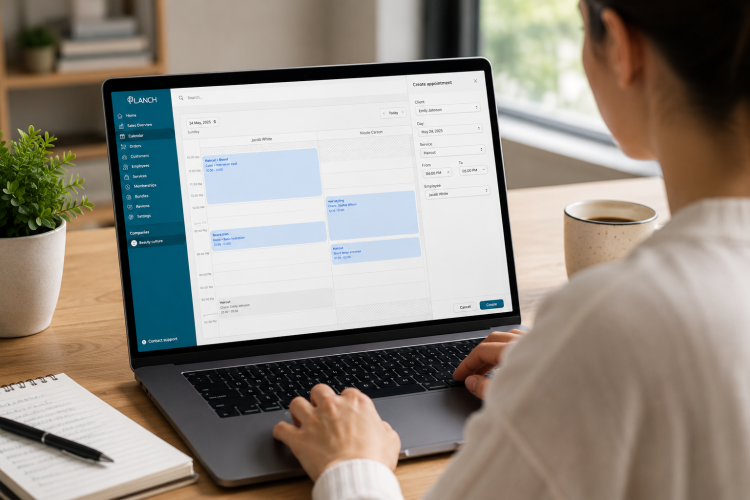
Solutions like Planch Online Booking and Planch Calendar Management help businesses create smoother booking experiences, simplify scheduling, and reduce friction throughout the customer journey.
Customers rarely complain about premium pricing when the experience itself feels premium.
The Wrong Clients Often Leave First
One of the most surprising things many business owners discover after raising prices is that the clients who leave are often the least sustainable ones.
Low-price clients are frequently the most demanding. They negotiate constantly, request exceptions, miss appointments, or expect unlimited availability.
Healthy pricing naturally filters some of those relationships out.
That does not mean businesses should stop caring about affordability or loyalty. It means pricing should support sustainability for both the business and the customer experience.
When businesses operate with healthier margins, they can improve service quality, reduce staff burnout, invest in better systems, and create more consistent experiences for loyal clients.
Ironically, many businesses improve retention after raising prices because the overall customer experience becomes stronger.
How to Communicate a Price Increase Professionally
The most effective pricing conversations are usually the simplest ones.
Clients do not need a defensive explanation filled with financial stress or lengthy apologies. They need clarity, professionalism, and confidence.
A strong pricing announcement should include:
a clear effective date,
a short explanation,
reassurance about service quality,
and a confident tone.
For example:
“Starting March 1, our service pricing will be updated to reflect continued investments in service quality, scheduling improvements, and operational costs. We’re grateful for your continued trust and look forward to continuing to provide you with the best possible experience.”
The tone matters.
Businesses that communicate price increases confidently appear more stable and trustworthy. Businesses that over-apologize often create unnecessary doubt.
Why Technology Matters More Than Ever in 2026
Modern clients expect smooth digital experiences even from local offline businesses.
They expect easy online booking.
Fast confirmations.
Automatic reminders.
Flexible scheduling.
Simple payments.
Reliable communication.
If those systems are missing, pricing becomes harder to justify.
That is why modern service businesses increasingly rely on operational platforms that improve the client journey from start to finish.
Features like Appointment Notifications help reduce no-shows and improve communication automatically, while tools like membership management and bundled service offerings help businesses increase customer lifetime value beyond one-time appointments.
Sometimes the smartest pricing strategy is not charging dramatically more for the same service.
It is creating a better overall experience that naturally supports stronger pricing.
Charge for the Experience You Deliver
The most successful service businesses in 2026 understand something important:
Pricing is not only about the service itself.
It reflects trust, convenience, consistency, professionalism, and customer experience.
Clients may initially notice a higher price. But what determines whether they stay is whether the experience continues to feel worth it.
Businesses that continue underpricing themselves often believe they are protecting customer loyalty. In reality, they may be limiting their ability to grow, improve operations, and maintain service quality long-term.
Raising prices thoughtfully is not greed.
It is part of building a sustainable business that can continue delivering excellent experiences for years to come.
And in today’s market, customers are increasingly willing to pay more for businesses that make their lives easier, smoother, and more reliable.
May 10, 2026
Get Started with Your Free Trial Now!
Experience all the benefits firsthand with no commitment. Unlock seamless management, increased client satisfaction, and streamlined operations today. Start your journey with us and see how our tools can transform your business!
Articles you may find interesting

July 26, 2026

April 10, 2026